What matters when buying Fitness Tracker
Key Features to Consider
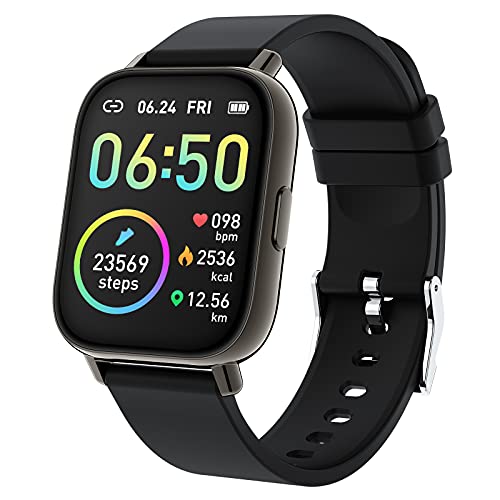
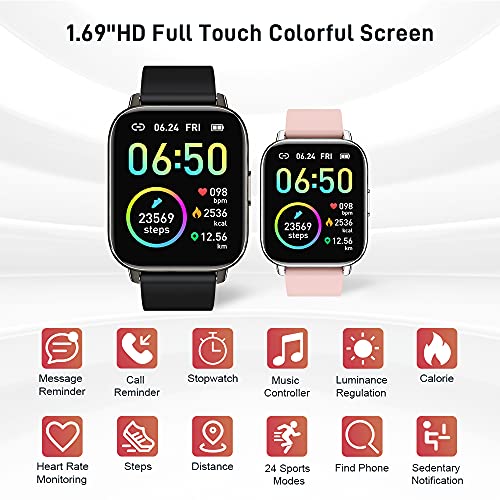
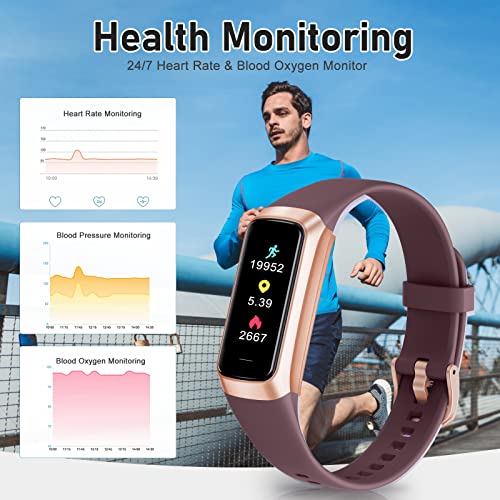
When selecting a fitness tracker, several key features should be evaluated to ensure it meets personal fitness and health needs. First, consider the types of sensors and monitoring capabilities offered. Common features include heart rate monitoring, blood pressure tracking, and blood oxygen level measurement. These sensors provide valuable insights into overall health and exercise intensity.
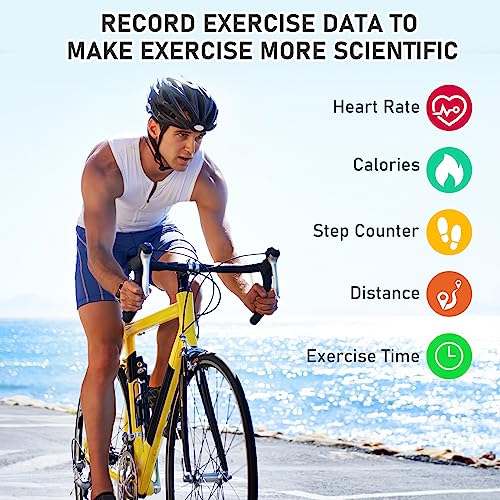
Another important feature is activity tracking. Look for devices that can track various activities such as running, cycling, swimming, and even daily step counts. Some fitness trackers offer multiple sports modes, which can enhance the accuracy of tracking during specific exercises.
Sleep tracking capabilities are also significant, as understanding sleep patterns can contribute to better health. Many fitness trackers provide detailed insights into sleep quality, duration, and stages, which can help users make improvements to their sleep hygiene.
Battery Life and Charging
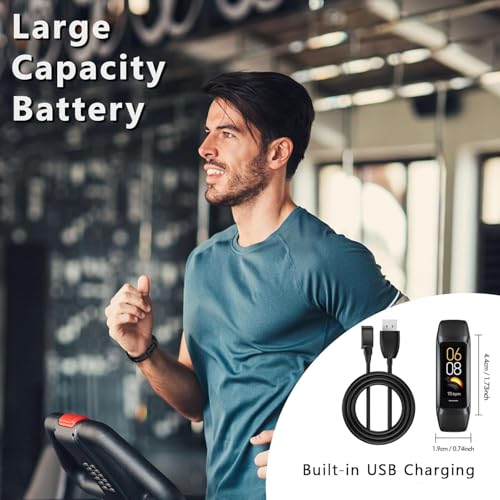
Battery life varies considerably among fitness trackers, with some lasting only a few days while others can operate for weeks on a single charge. It is essential to consider how frequently the device needs recharging, especially for those who plan to wear it continuously for health monitoring. Fast charging options can also be beneficial, allowing users to quickly power the device between uses.
Design and Comfort
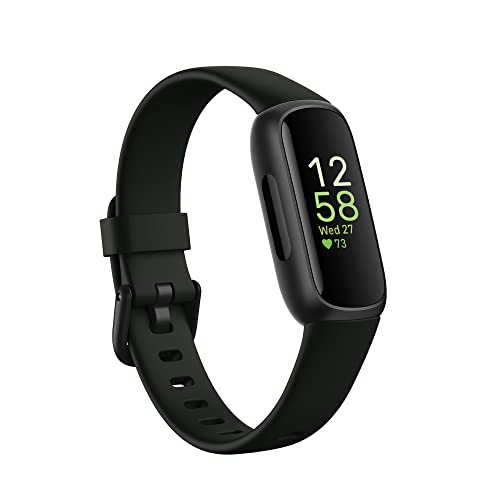
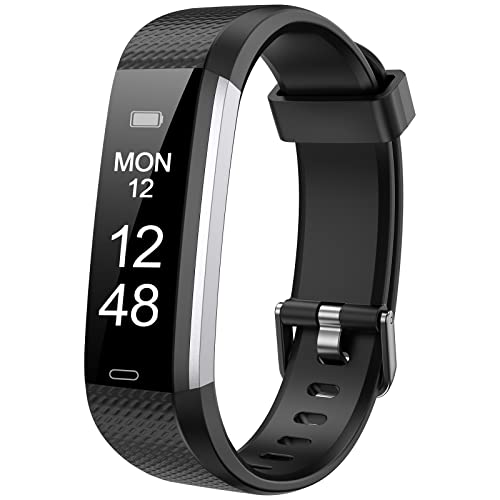
The design of a fitness tracker should accommodate the user's lifestyle and preferences. Look for lightweight and comfortable options that can be worn for extended periods without causing discomfort. Adjustable straps and a range of sizes can ensure a better fit. Additionally, consider whether the design is suitable for various activities, including swimming or outdoor use, which may require water resistance or durability.
Compatibility and Connectivity
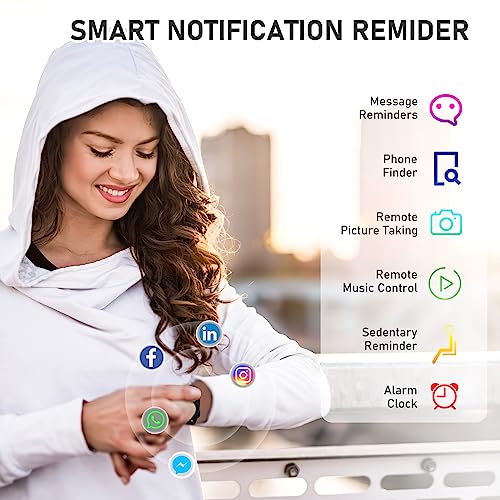
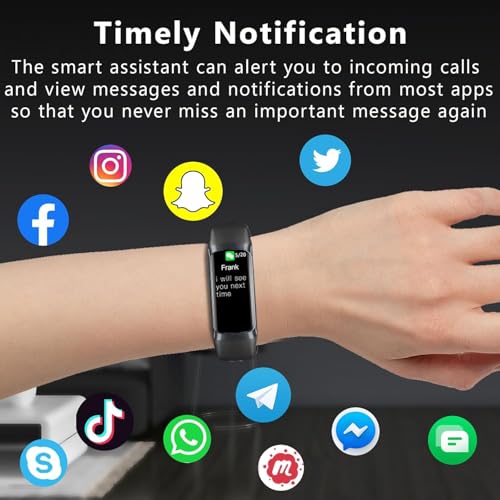
Compatibility with smartphones and other devices is critical for accessing data and utilising additional features. Most fitness trackers work with both iOS and Android platforms, but it is advisable to verify compatibility with specific smartphone models. Connectivity options such as Bluetooth and Wi-Fi can enhance the user experience by allowing for seamless data syncing and access to mobile applications.
Furthermore, some fitness trackers offer additional capabilities like personalised coaching or integration with other health apps, which can provide more tailored fitness guidance. These features can help users set and achieve their fitness goals effectively.
Footnotes
* Terms such as "best" and similar expressions reflect our personal assessment.
** Prices and availability may have changed since they were last retrieved. The price shown by the seller at the time of purchase applies.
Further important information
We may receive a commission if you make a purchase via the links on our site. This has no impact on the placement of the products on our site. Our website is part of amazon associates program - Amazon, Amazon Prime, the Amazon Logo and Amazon Prime Logo are registered trademarks of Amazon, Inc. or its affiliates. Disclaimer: